ADVERTISEMENT
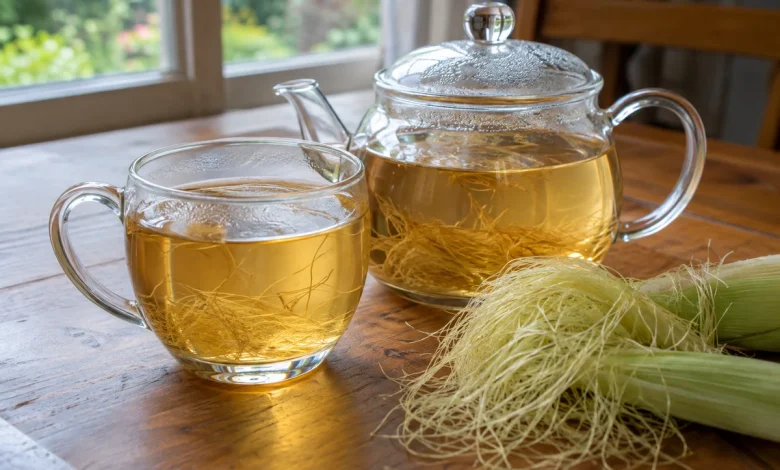
Next time you shuck an ear of sweet corn, stop before you toss those pale, silky threads into the trash. Corn silk tea is a simple, gentle herbal drink you can make from the strands that most people throw away, and all you need is hot water and a small handful of silk. It takes about ten minutes, costs nothing extra, and gives you a warm, mildly sweet cup with a soft, grassy flavor.
What Is Corn Silk?
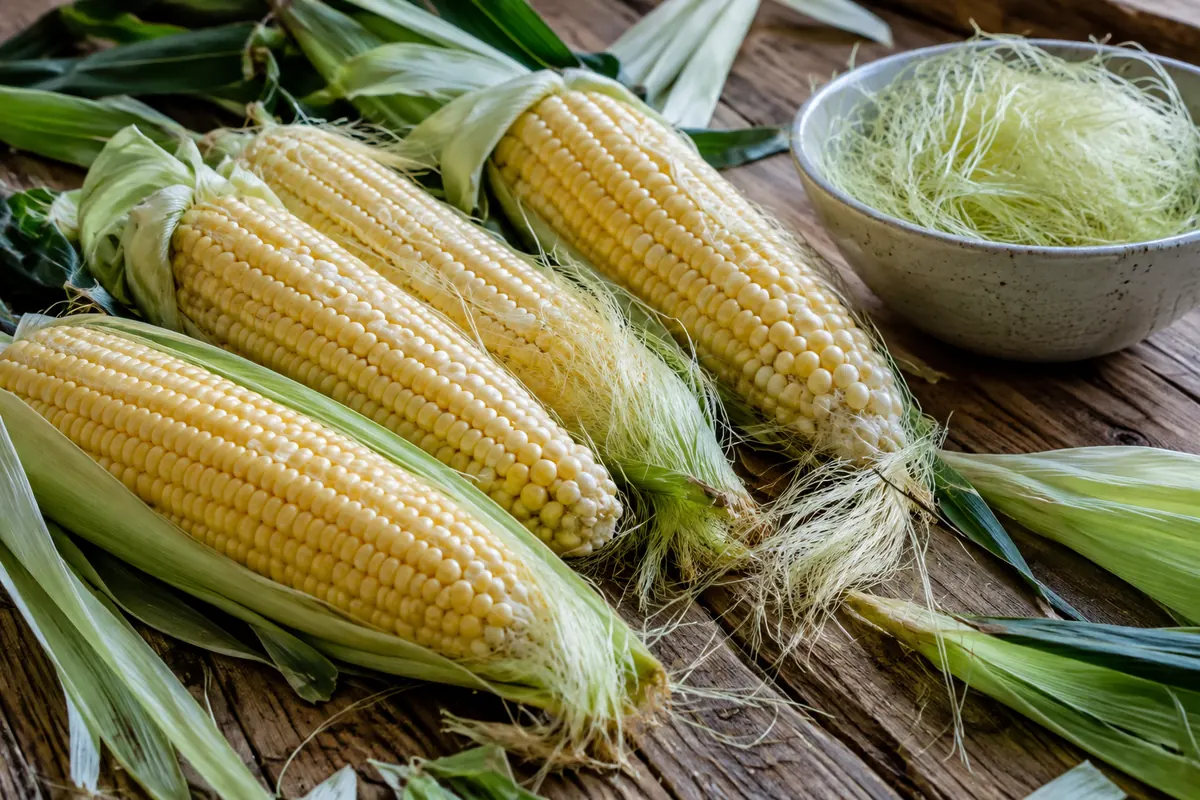
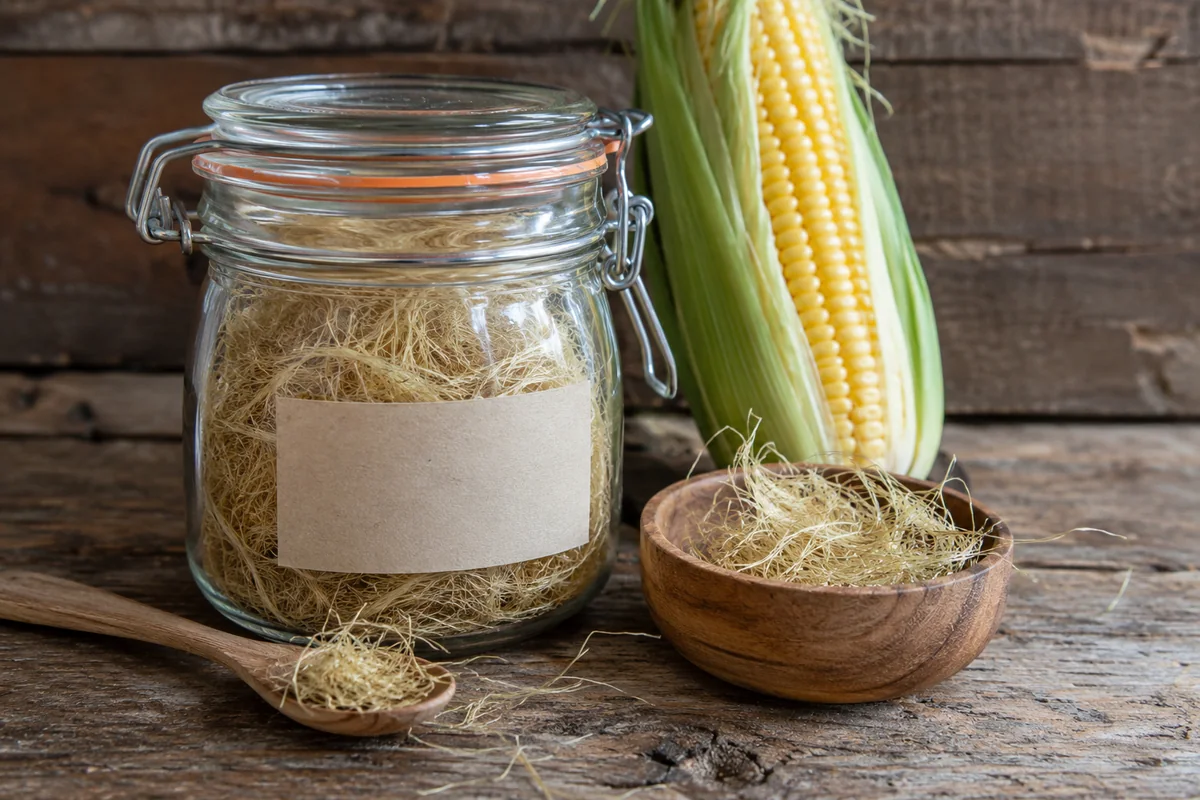
Corn silk is the fine, hair-like fiber that grows between the husk and the kernels of a corn ear. Each strand is connected to one kernel, which is why a full ear has so many of them. When the corn is fresh, the silk is soft, slightly sticky and damp, and it ranges from pale green to light yellow. As the ear matures it turns brown and dry.
Most of us pull it off and rinse it away without a second thought. In some cultures, though, corn silk has long been used traditionally as a mild herbal tea and as a simple ingredient in home cooking, so it has a small place in kitchen history rather than being plain waste.
Traditional Uses of Corn Silk
Corn silk has a long history as a home-kitchen herb. In some parts of the world it is steeped in hot water and sipped as an everyday herbal tea, sometimes served warm and sometimes chilled. In folk cooking, it is also simmered in water to make a light, pale infusion that can be used as a gentle flavoring base.
This is a traditional, cultural use of a food by-product, not a health claim. Think of it like any other herbal tea: something pleasant to drink, not a remedy.
How to Harvest Corn Silk
The best corn silk comes from fresh ears you are already planning to cook. Here is what to look for.
ADVERTISEMENT
Choose Fresh Corn
- Pull from fresh ears. Silk from just-husked corn is the easiest to work with and has the cleanest flavor.
- Look for pale yellow or light green silk. It should look soft, moist and bright. Dark brown, dried-out silk is past its best for tea.
- Skip anything moldy. If you see dark spots, fuzzy patches or a musty smell, leave it out.
- Avoid chemically treated corn. If you do not know how the corn was grown or sprayed, or the corn is meant for animal feed or seed, do not use the silk for tea. Corn from your own garden, a farmers’ market grower you can ask, or organic corn is a better choice.
How to Pull the Silk
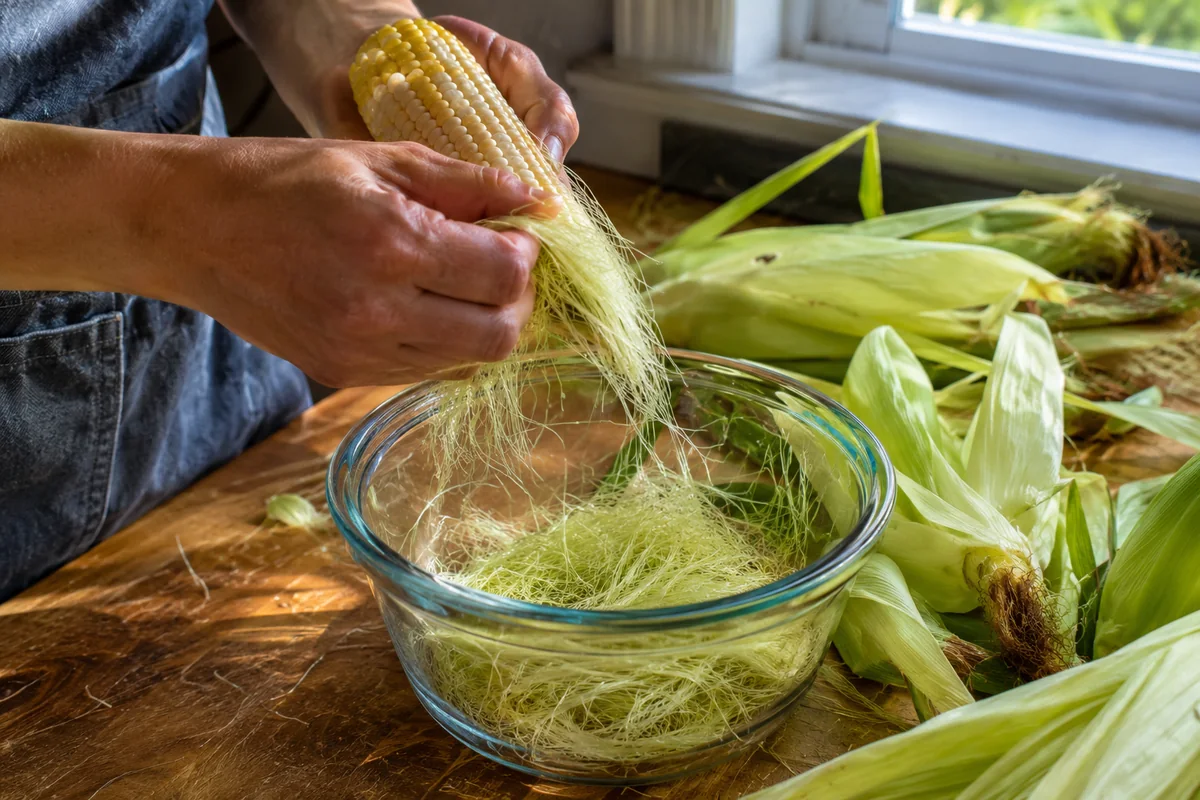
- Peel back the husk one layer at a time, starting at the tip.
- Gently pull the silk away from the kernels with your fingers. Work from the top downward so the strands stay together.
- Collect the strands in a clean bowl.
How to Wash and Dry Corn Silk
Because corn silk grows in the field, give it a quick wash before using it, even if you plan to dry it first.
Washing
Swish the silk in a bowl of cool water, lift it out, and let the water drain off. Repeat once or twice with fresh water if the silk looks dusty. Pat it gently with a clean towel to remove extra moisture.
Drying
Dried silk is handy because you can make tea any time of year. There are two easy ways to dry it:
- Air drying: Spread the silk in a thin layer on a tray or paper towel in a warm, airy spot out of direct sun. It usually takes 2 to 5 days, depending on how humid your kitchen is. Turn it once a day.
- Low oven or dehydrator: Spread the silk on a lined baking sheet or dehydrator tray and dry at about 95 to 115°F (35 to 46°C) until it is completely brittle. Check it often, since thin strands dry quickly.
The silk is ready when it feels dry and crumbles easily between your fingers. Any soft or damp spots mean it needs more time, because moisture is what causes mold in storage.
Storing Dried Corn Silk
Put the completely cooled, dry silk in a clean, dry, airtight glass jar. Keep it in a cool, dark place such as a pantry or cupboard, away from the stove and sunlight. Date the jar, and throw it out if you notice moisture, off smells or mold.
ADVERTISEMENT
How to Make Corn Silk Tea
This is the basic recipe. It works with fresh or dried silk and makes about two cups.
Corn Silk Tea Ingredients
- 1/4 cup fresh corn silk (a small handful), or 1 to 2 tablespoons dried corn silk
- 2 cups water
- Lemon wedge or a squeeze of lemon juice, optional
- Honey, to taste, optional
Instructions
- Rinse the silk. If you are using fresh silk, rinse it in cool water and shake off the extra. Dried silk only needs a quick rinse if it looks dusty.
- Heat the water. Pour 2 cups of water into a small saucepan and add the silk.
- Simmer or steep. Bring the pot to a gentle simmer and cook for 5 to 10 minutes. For a softer flavor, bring the water to a boil, pour it over the silk in a teapot or heatproof jar, cover, and steep for 10 minutes.
- Strain. Pour the tea through a fine mesh strainer into a mug or pitcher. Press the silk lightly to get out the last of the liquid.
- Season if you like. Add a little lemon juice or honey, stir, and taste.
- Serve. Drink it warm, or let it cool and pour it over ice.
How Does Corn Silk Tea Taste?
Expect something light. Corn silk tea tastes mildly sweet and a little grassy, with a faint corn-like note and a soft golden color. It is not strong or bitter, which is why many people enjoy it plain. A squeeze of lemon brightens it, and a spoonful of honey makes it a little rounder. If it tastes faint, use a bit more silk or steep a few minutes longer.
Variations
Iced Corn Silk Tea
Make the tea as above, let it cool to room temperature, then chill it in the refrigerator. Serve over ice with a lemon slice.
Batch Corn Silk Tea
To make a pitcher, use about 1/2 cup fresh silk or 3 to 4 tablespoons dried silk for every 4 cups of water. Simmer for 10 minutes, strain, cool, and store in a covered jar in the refrigerator. Drink it within a day or two for the best flavor.
Tips for the Best Cup
- Strain well. Use a fine mesh strainer so no strands end up in your cup.
- Dry it fully. Silk that is even slightly damp can grow mold in the jar.
Important Safety Notes
This article is for general cooking and food information only. It is not medical advice, and corn silk tea is not meant to cure, treat or prevent any condition. Talk to your doctor before trying it if you are pregnant, nursing, taking any medication, have diabetes, or have kidney or blood pressure conditions. If you have a corn allergy, avoid it. Stop drinking it right away if you notice any allergic reaction, such as itching, a rash, swelling or trouble breathing, and get medical help if the symptoms are serious.
ADVERTISEMENT
Frequently Asked Questions
Can I use dried corn silk from the store instead of fresh?
Yes. Dried corn silk sold for tea can be used in the same way as home-dried silk. Use 1 to 2 tablespoons for 2 cups of water, and buy it from a source you trust.
How long does dried corn silk last?
If it is fully dry and kept in an airtight glass jar in a cool, dark place, it should keep for several months. Check it before each use, and discard it if it smells musty or shows any sign of moisture or mold.
Can I drink corn silk tea every day?
That is a question for your doctor, especially if you take medication or have a health condition. As a general rule, treat it like any herbal tea: enjoy it in moderation and pay attention to how your body responds.
Can I use the silk from frozen or canned corn?
No. Frozen and canned corn have already had the silk removed. You need fresh ears, still in the husk, to collect it.
ADVERTISEMENT