ADVERTISEMENT
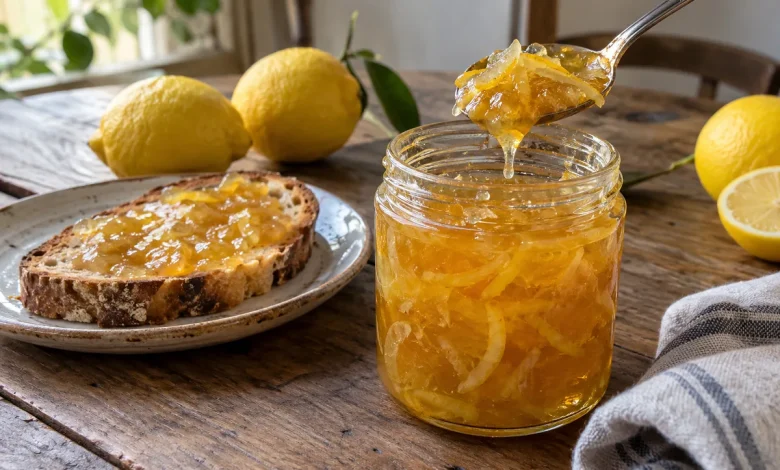
This lemon honey marmalade is a bright, glossy, golden spread made from just a few things: whole lemons, water, sugar, honey and a pinch of salt. The lemons are sliced very thin and simmered until the peel is tender, then cooked down with the sweeteners until the mixture turns syrupy. A spoonful of vanilla is optional. It is a simple refrigerator version, so there is no special equipment and no canning involved.
Why You’ll Like This Lemon Honey Marmalade
Traditional marmalade can feel like a project. This one keeps it short. You slice, simmer, sweeten, simmer again and test. The whole lemon goes into the pot, so you get the tender peel and the juicy pulp in every spoonful. The honey rounds off the sharpness with a soft floral note, while the sugar helps the marmalade set and keeps the lemon flavor bright.
- Short ingredient list: lemons, water, sugar, honey and salt, with vanilla if you like.
- One saucepan: everything cooks in a single heavy-bottomed pot.
- No canning needed: you keep the jars in the refrigerator and use them within a few weeks.
Ingredients for Lemon Honey Marmalade
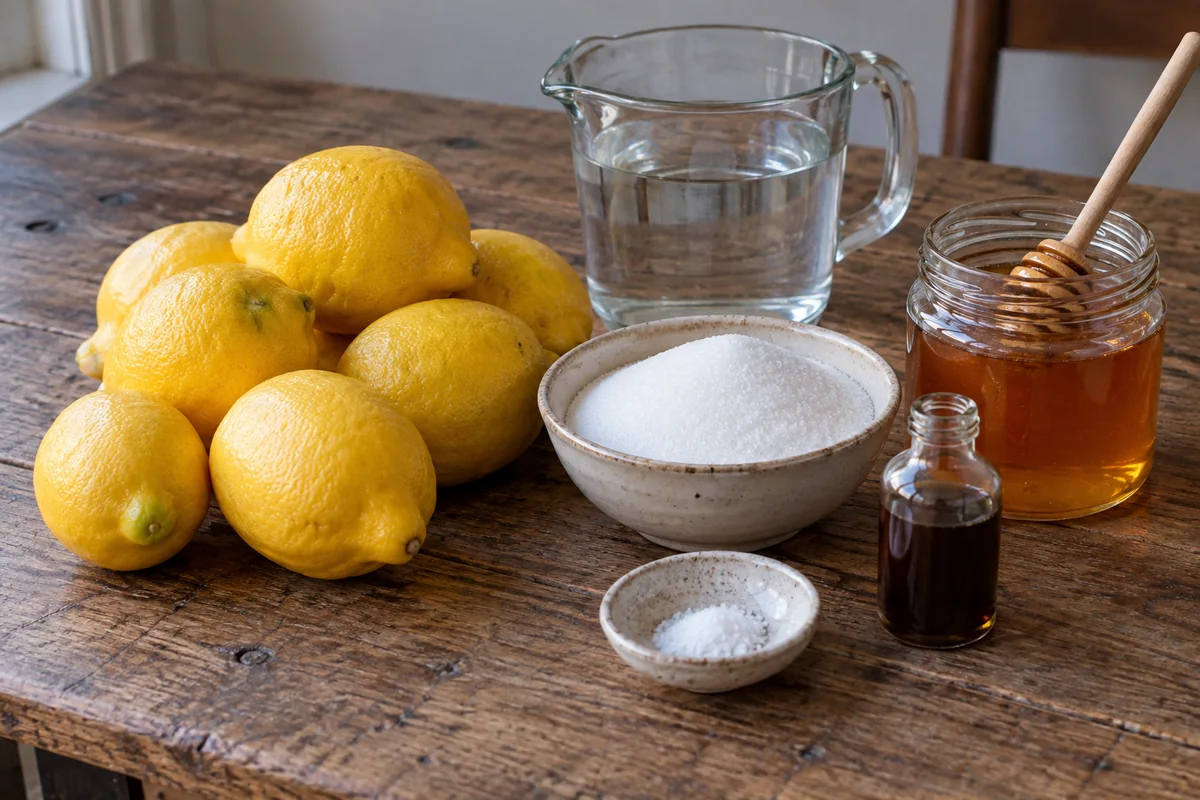
- 500 g fresh lemons, preferably unwaxed
- 500 ml water
- 250 g granulated sugar
- 180 g honey
- 1 small pinch salt
- 1 tsp vanilla extract, optional
Ingredient Notes
Lemons: Because the peel is eaten, unwaxed lemons are the best choice. If yours are waxed, scrub them well under warm water before slicing. Pick firm lemons with thin to medium skin, since a very thick layer of white pith will taste more bitter.
Sugar: Plain granulated sugar works well here. It dissolves in the hot liquid and helps the marmalade thicken as it cooks.
Honey: Use a mild, runny honey if you want the lemon to stay in front. A stronger honey will come through more in the finished flavor.
Salt: Only a small pinch. It sharpens the sweetness rather than making the marmalade taste salty.
ADVERTISEMENT
Vanilla: Optional, and stirred in at the very end. It adds a softer, rounder finish.
How to Make Lemon Honey Marmalade
Step by Step
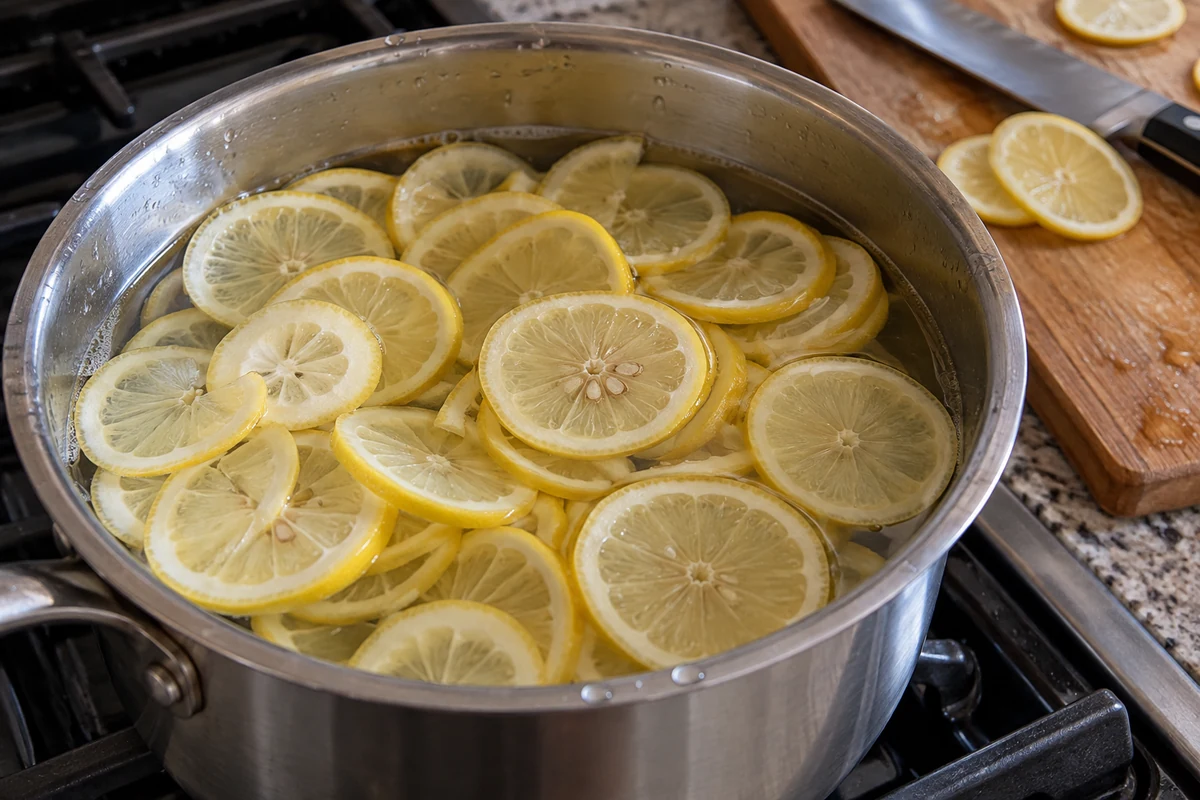
- Prepare the lemons. Wash and scrub the lemons thoroughly. Slice them very thinly, removing the seeds as you go. If you prefer a finer marmalade, cut the long slices into smaller pieces.
- Soften the peel. Put the sliced lemons and the water in a heavy-bottomed saucepan. Bring to a boil, then reduce the heat to a gentle simmer and cook for 20 to 25 minutes, until the peel is tender.
- Add the sweeteners. Add the sugar and stir until it has completely dissolved. Then add the honey and the pinch of salt, stirring gently to combine.
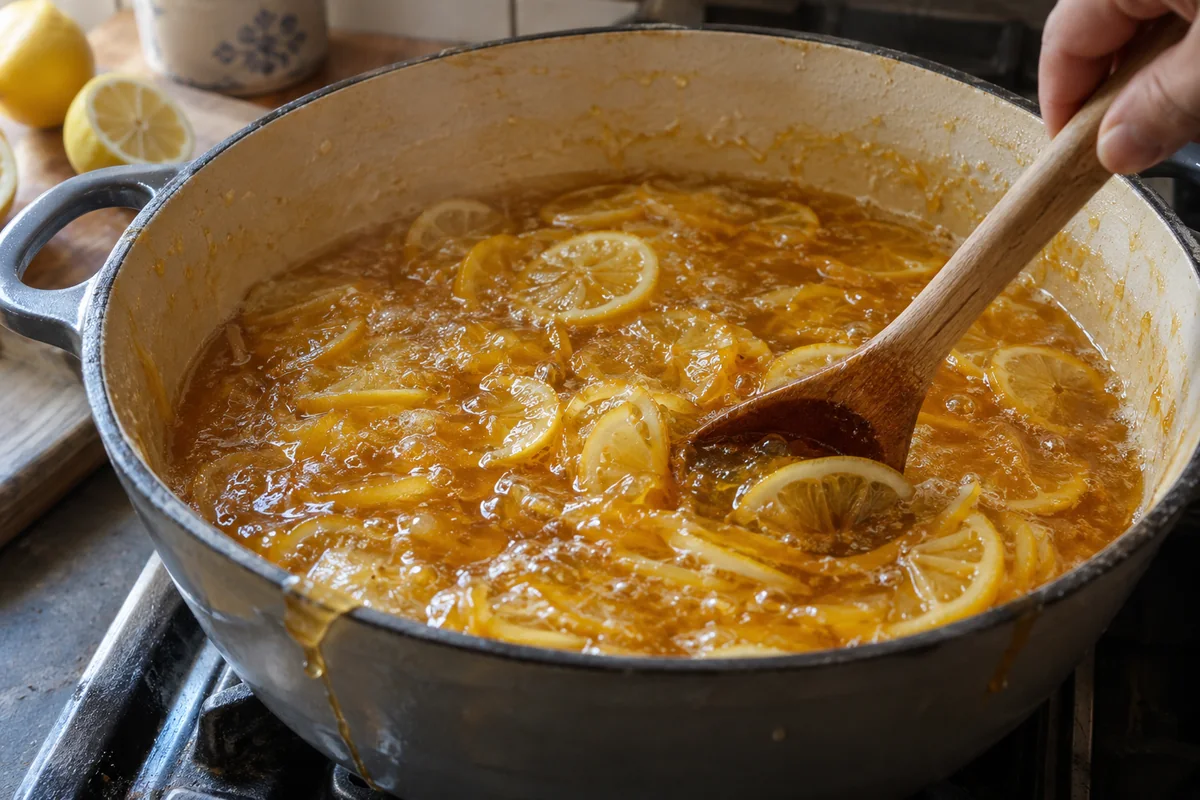
- Cook the marmalade. Bring the mixture to a steady simmer and cook for another 15 to 25 minutes, stirring regularly. It will slowly become glossy, golden and syrupy.
- Check the consistency. Place a small spoonful on a chilled plate and let it sit for about 30 seconds. Push it gently with your finger. If it wrinkles slightly and does not immediately run back together, it is ready. Stir in the vanilla if you are using it.
- Jar and cool. Spoon the hot marmalade into clean, heat-safe jars. Let it cool before covering and refrigerating. It will thicken considerably as it cools.
Tips for the Best Lemon Honey Marmalade
Slice the Peel Very Thin
This matters more than anything else in the recipe. Thin slices soften into a tender, almost silky peel. Thick slices stay chewy and taste more bitter. Use a sharp knife and take your time, and remove the seeds as you cut so you do not have to fish them out of the hot pot later.
ADVERTISEMENT
Be Patient With the First Simmer
The peel has to be tender before the sugar goes in. Once sugar is in the pot, the peel firms up and softens far more slowly, so check a piece of peel at the end of the 20 to 25 minutes and keep simmering if it is still tough.
Use a Heavy-Bottomed Pot
Marmalade with sugar and honey can catch on the bottom of a thin pot. A heavy-bottomed saucepan spreads the heat more evenly. Stir regularly during the second simmer, scraping the bottom as you go.
Chill a Plate Before You Start
Put a small plate in the refrigerator before you begin cooking, so it is cold when you need it. Take the pot off the heat while you test, so the marmalade does not keep cooking and go past the right point.
Expect It to Thicken as It Cools
Hot marmalade looks thinner than the finished product. If the plate test shows a slight wrinkle, stop there. Cooking it until it looks thick in the pot usually means it will be stiff once it has cooled in the jar.
Why Keep Some Sugar in the Mix
Honey gives this marmalade its mellow, floral sweetness. Keeping some granulated sugar in the recipe helps the marmalade set and preserves the bright lemon flavor, so the result is not flat or overly sweet.
ADVERTISEMENT
How to Serve Lemon Honey Marmalade
Spread it on warm toast, and add butter if you like. It is also good on scones, biscuits, pancakes or waffles. Stir a spoonful into plain yogurt or porridge, or spoon it over a slice of plain cake. A little can also go into a glaze for roasted chicken or a tart filling, anywhere a sweet citrus note would fit.
Variations
- Finer cut: Chop the lemon slices into small pieces before the first simmer for a more spreadable marmalade with shorter shreds.
- Without vanilla: Leave it out for a cleaner, sharper lemon taste. It is optional.
- Whole spices: Add a cinnamon stick or a few slices of fresh ginger to the pot with the lemons, and remove them before jarring. This is a flavor idea, not part of the base recipe, so start small.
- Mixed citrus: Replace a small part of the lemons with another citrus fruit such as orange. The timing and set may shift a little, so rely on the chilled plate test rather than the clock.
Storage
Refrigerator: This is a simple refrigerator version. Let the marmalade cool in clean jars, cover them once cool, and keep them in the refrigerator. Use within about 2 to 3 weeks.
Shelf-stable storage: This recipe is written for refrigerator storage only. If you want jars that keep at room temperature, use a tested canning recipe and follow its water-bath processing instructions exactly.
Before you use it: Always start with clean jars and a clean spoon each time you scoop. If the marmalade smells or looks off, throw it out.
Frequently Asked Questions
Do I need to use unwaxed lemons?
Unwaxed lemons are preferred, since you will be eating the whole peel. If you can only find waxed lemons, wash and scrub them thoroughly before slicing.
ADVERTISEMENT
How do I know when my lemon honey marmalade is ready?
Use the chilled plate test. Put a small spoonful on a cold plate, wait about 30 seconds, then push it with your finger. If it wrinkles slightly and does not immediately run back together, it is done. If it runs straight back, cook it a few more minutes and test again.
Why is my marmalade too runny?
It may need a little more time on the heat, or it may simply not have cooled yet. Marmalade thickens considerably as it cools, so judge it with the plate test rather than by how it looks in the hot pot. If the test still shows it running together, simmer it a few more minutes and test again.
Can I store this marmalade at room temperature?
Not as written. This version is meant for the refrigerator and should be used within about 2 to 3 weeks. For shelf-stable jars, follow a tested canning recipe with proper water-bath processing.